
The Bahamas (Northern Region)
Turks and Caicos
Amsterdam
Cyprus
Cayman Islands
Jamaica
Barbados
British Virgin Islands




May 15 2026

The Bahamas has introduced significant maritime legislative reforms through a series of amendments enacted in 2025 and 2026. These developments impact foreign vessel owners, yacht operators, charter businesses, and maritime stakeholders operating in Bahamian waters.
The updates include revised cruising and anchorage fees, mandatory Automatic Identification System (AIS) requirements, expanded environmental enforcement powers, seabed lease regulations, and stricter oversight of foreign charter operations.
These legislative changes reflect The Bahamas’ broader effort to modernize maritime governance, strengthen environmental protection, and improve oversight of vessel activity within its territorial waters.
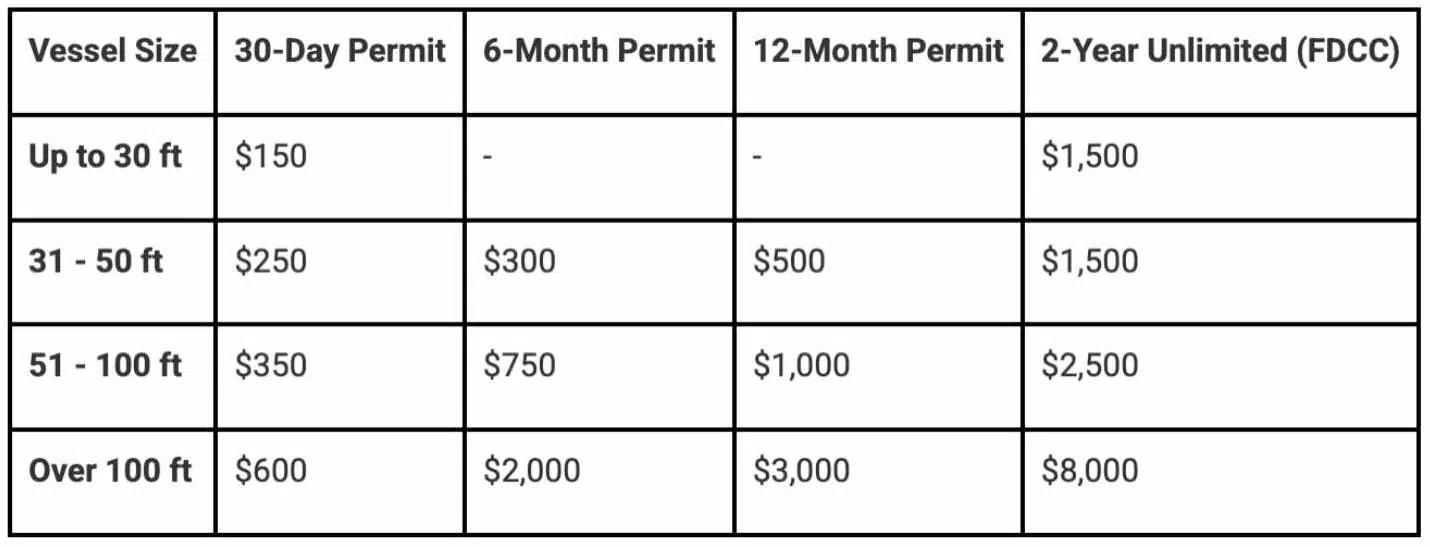
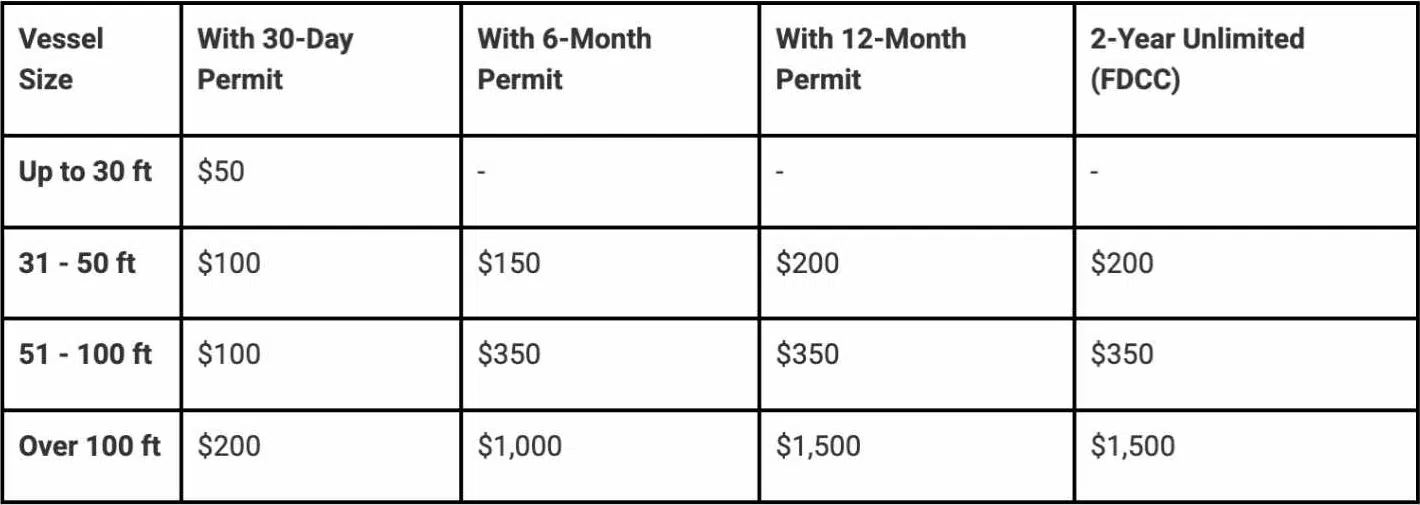
Under the updated Customs Management (Amendment) Regulations, foreign pleasure vessels entering The Bahamas must obtain customs clearance and secure either:
The revised framework introduces multiple permit durations to accommodate varying lengths of stay, including:
The new system replaces the traditional flat-fee structure with a more detailed tiered approach based on vessel size and duration of stay.
In addition to cruising permits, vessels that anchor outside marinas or designated mooring fields are now subject to separate anchorage fees.
A separate fishing permit is also now required for foreign pleasure vessels:
Additionally, non-resident passengers over the first three individuals included in the cruising permit may be subject to additional passenger taxes.
The Port Authorities (Amendment) Act 2025 introduced a new requirement for foreign vessels measuring 50 feet and above to maintain an operational Automatic Identification System (AIS) at all times while in Bahamian waters.
AIS technology allows authorities and nearby vessels to monitor:
The requirement applies whether the vessel is:
Failure to comply may result in financial penalties.
This amendment aims to improve maritime safety, strengthen monitoring capabilities, and enhance regulatory oversight of foreign vessel activity.
The updated legislation also introduces stricter rules regarding seabed use and marine construction projects.
A valid seabed lease is now required for the construction or placement of:
Applicants may be required to submit:
The maximum lease period is 25 years, with the possibility of renewal.
The legislation also establishes stronger penalties for unauthorized seabed use, including significant fines and potential imprisonment.
The Environmental Health Services (Amendment) Act, 2025 expands the government’s authority to address environmental pollution caused by vessels operating in Bahamian waters.
Under the updated framework, authorities may impose penalties on domestic and foreign commercial vessels that emit pollutants or contaminants that threaten public health or the marine environment.
Potential penalties may include:
These reforms reinforce The Bahamas’ focus on protecting marine ecosystems and coastal resources.
Foreign charter operators are now required to obtain a Foreign Charter Licence before entering Bahamian waters.
The licence:
The existing 14% charter tax remains in place, consisting of:
However, the updated framework streamlines collection by allowing the Port Department to collect the full amount directly.
The Boat Registration (Amendment) Act, 2025 also imposes stricter conditions on foreign charter activity within The Bahamas.
Key restrictions include:
Authorities now also have broader powers to detain vessels suspected of operating unlawfully or failing to meet registration, inspection, insurance, or licensing requirements.
The updated Boat Registration (Yacht) (Amendment) Rules, 2025 further provide regulators with additional discretion regarding licensing criteria for foreign bareboat charter operations.
The 2025–2026 reforms represent one of the most significant modernizations of Bahamian maritime regulation in recent years.
For shipowners, yacht owners, charter operators, and offshore businesses, these changes create new compliance obligations relating to:
Stakeholders operating in The Bahamas should carefully review these developments to ensure ongoing compliance and avoid operational disruption.
At Parris Whittaker’s Maritime Law Practice, we advise shipowners, yacht operators, charter businesses, and offshore clients on maritime regulatory compliance throughout The Bahamas and the Caribbean.
Our services include:
You can also explore our broader practice areas for additional legal services.
The latest legislative amendments demonstrate The Bahamas’ continued commitment to strengthening maritime oversight, environmental protection, and regulatory enforcement.
While these changes introduce additional compliance responsibilities, they also provide a clearer and more structured framework for vessel operations, charter activity, and maritime administration in one of the world’s leading yachting and shipping jurisdictions.

CLOSE X
