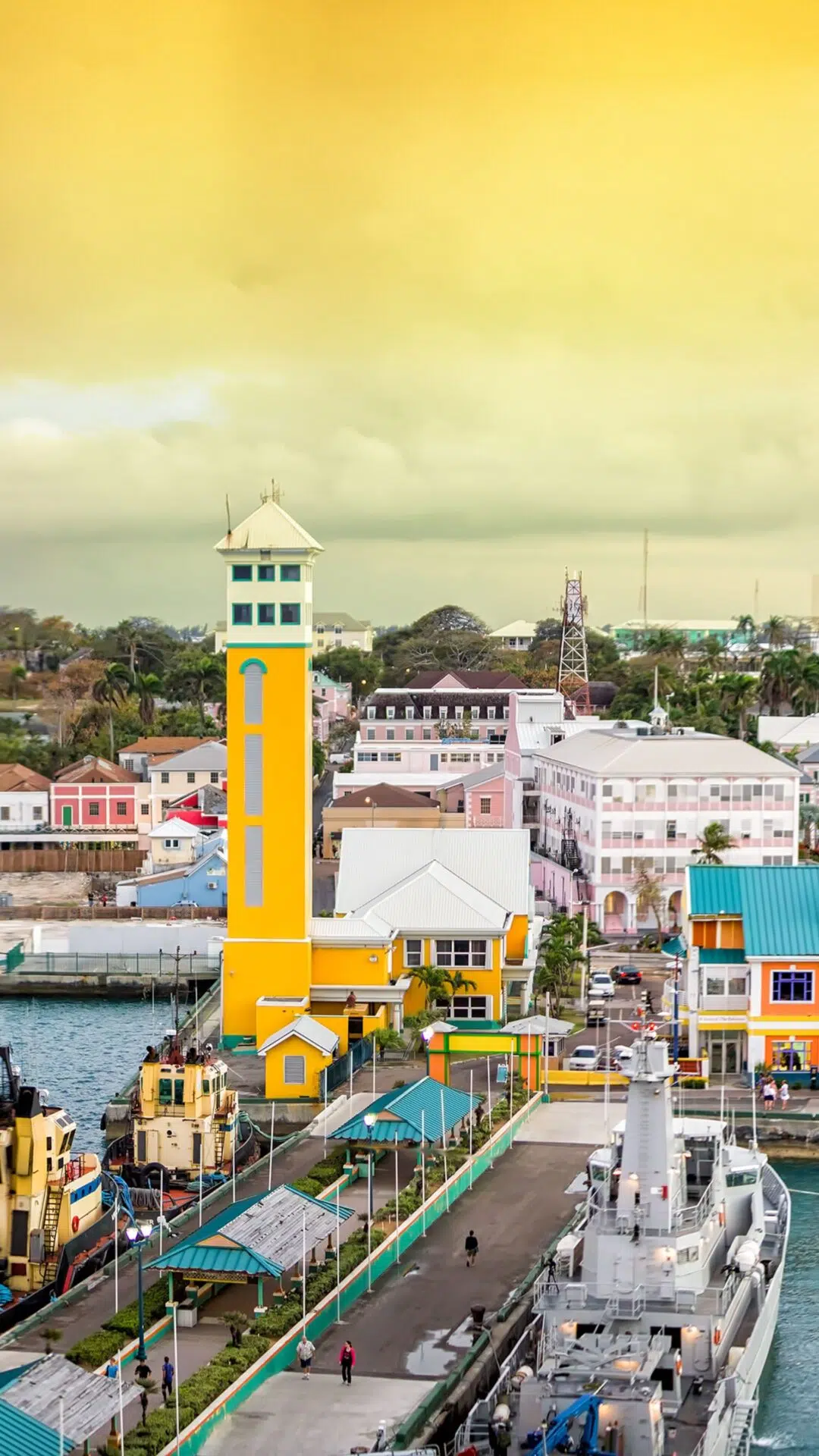


The Bahamas (Northern Region)
Turks and Caicos
Amsterdam
Cyprus
Cayman Islands
Jamaica
Barbados
British Virgin Islands




May 22 2026

In high-value commercial disputes, one of the biggest risks for claimants is that assets may be moved, hidden, or dissipated before a judgment can be enforced. To address this, courts in The Bahamas can grant freezing injunctions, commonly referred to as Mareva injunctions, to preserve assets while legal proceedings are ongoing.
For businesses involved in cross-border disputes, understanding how and when these injunctions are used is essential to protecting financial interests.
A freezing injunction is a court order that prevents a defendant from disposing of or dealing with their assets up to a specified value.
These injunctions can apply to:
The purpose is not to determine liability but to preserve assets so that any future judgment is not rendered ineffective.
For general guidance on freezing injunctions
The Supreme Court of The Bahamas has the authority to grant freezing injunctions as part of its equitable jurisdiction.
These orders are typically granted in support of:
Freezing injunctions are particularly relevant in offshore jurisdictions where assets may be held through complex corporate structures.
The courts will only grant a freezing injunction where specific legal thresholds are met.
The applicant must demonstrate that there is a serious issue to be tried and a strong legal basis for the claim.
There must be credible evidence that the defendant may move or conceal assets to frustrate enforcement.
This could include:
The applicant must show that the defendant holds assets within The Bahamas or that there is a sufficient connection to the jurisdiction.
The court must be satisfied that granting the injunction is fair and appropriate in the circumstances.
These apply to assets located within The Bahamas.
Worldwide Freezing Orders
In certain cases, courts may grant orders that extend to assets held globally, particularly in cross-border disputes.
Overview of international enforcement and cross-border legal cooperation
Without Notice Applications
Freezing injunctions are often granted without notice to the defendant, meaning the application is made without informing the other party in advance.
This is done to prevent the risk of asset dissipation before the order is issued.
However, applicants must:
Failure to meet these obligations can result in the injunction being discharged.
Once granted, a freezing injunction can significantly restrict a defendant’s financial activities.
Typical restrictions include:
However, courts usually allow reasonable living and business expenses to continue.
In The Bahamas, freezing injunctions are frequently used in:
For example, where a vessel is a key asset, a claimant may combine a freezing injunction with other remedies such as arrest or detention.
Learn more about maritime-related legal strategies here: Maritime Law Services
Timing is critical. Delays may reduce the likelihood of obtaining an injunction.
Prepare documentation showing:
Freezing injunctions require careful legal preparation and strategic planning.
At Parris Whittaker’s litigation practice, we assist clients with urgent applications, cross-border disputes, and asset protection strategies.
While powerful, freezing injunctions carry certain risks:
For further reading on interim remedies in commercial disputes
Freezing injunctions are complex and highly technical legal tools. Their success depends on:
At Parris Whittaker, we advise clients on:
Freezing injunctions play a critical role in protecting assets during commercial disputes in The Bahamas. They provide businesses with a powerful mechanism to prevent asset dissipation and preserve the value of their claims.
However, they must be used strategically and with proper legal support. For businesses facing complex disputes or cross-border risks, early action and expert guidance are key to securing a successful outcome.

CLOSE X
